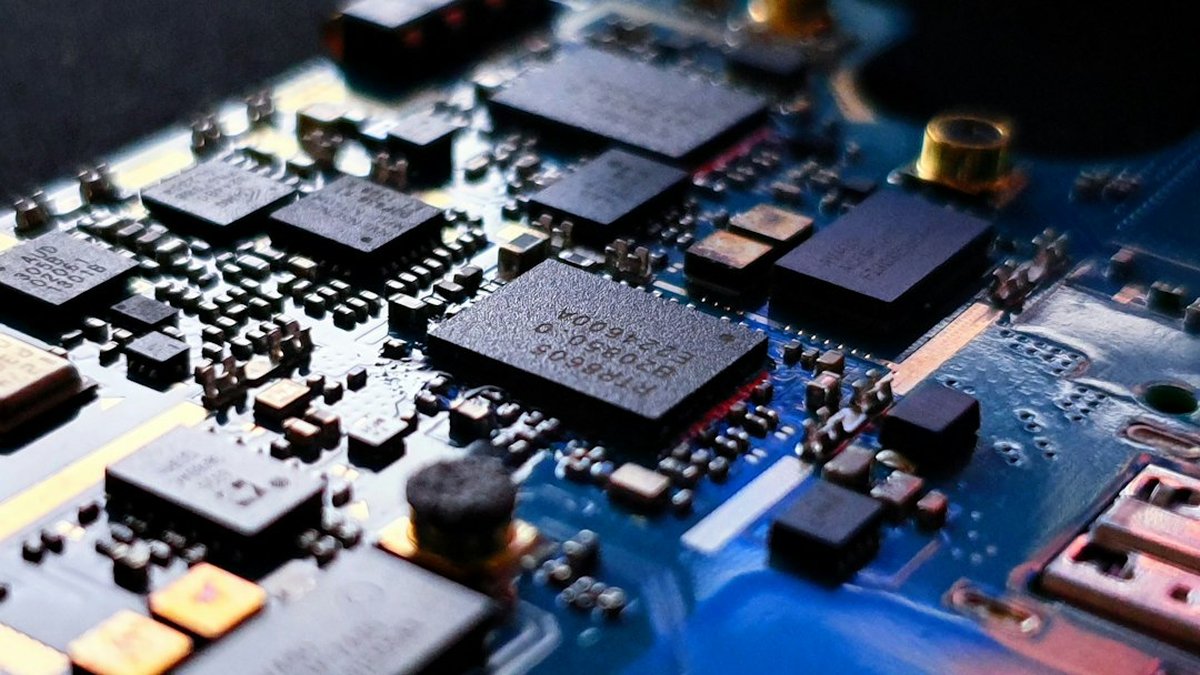
India is setting a bold 24‑month target to design and produce its own graphics processing unit (GPU), a key move to strengthen the country’s semiconductor ecosystem and curb dependence on imported chips.
Strategic Vision Under India Semiconductor Mission 2.0
- MeitY Secretary S. Krishnan outlines a phased plan to deliver an indigenous GPU within two years.
- Five foundational layers identified: energy, accelerator chips, computing infrastructure, AI models, and applications.
- Existing server manufacturers (VVDN, Kaynes, Avalon) and C‑DAC’s Rudra line will support AI workloads.
Key Developments and Partnerships
| Entity | Role | Details |
|---|---|---|
| MeitY | Policy & Funding | Launch of India Semiconductor Mission 2.0 |
| C‑DAC | Hardware | Rudra servers for AI, technology transfer to local makers |
| ASML & Tata Electronics | Fabrication | First commercial fabs in Dholera, 300mm wafers, 50,000 wafers/month |
| Intel & Tata Group | Manufacturing & Packaging | Strategic partnership for Indian market |
| VVDN, Kaynes, Avalon | Servers | Existing production of AI‑ready infrastructure |
| Rudra & VEGA ET301 | CPU | Open‑source RISC‑V based processors, 32‑bit, 100 MHz, 26 KB SRAM |
Implications for India’s AI and Jobs Landscape
The push for a homegrown GPU signals a strategic shift toward a self‑sufficient AI stack. By 2026, India could reduce its reliance on foreign accelerators, creating a domestic supply chain that supports the 6 million‑person IT services sector. While NITI Aayog projects up to 2 million jobs at risk, the initiative could generate roughly 4 million new roles in design, manufacturing, and AI integration, mirroring the Y2K boom. The open‑source RISC‑V architecture of SHAKTI and VEGA processors further democratizes chip development, encouraging local startups to innovate without licensing constraints. If the 24‑month GPU goal materializes, India would join a select group of nations with end‑to‑end semiconductor capabilities, positioning it as a competitive player in the global AI hardware race.