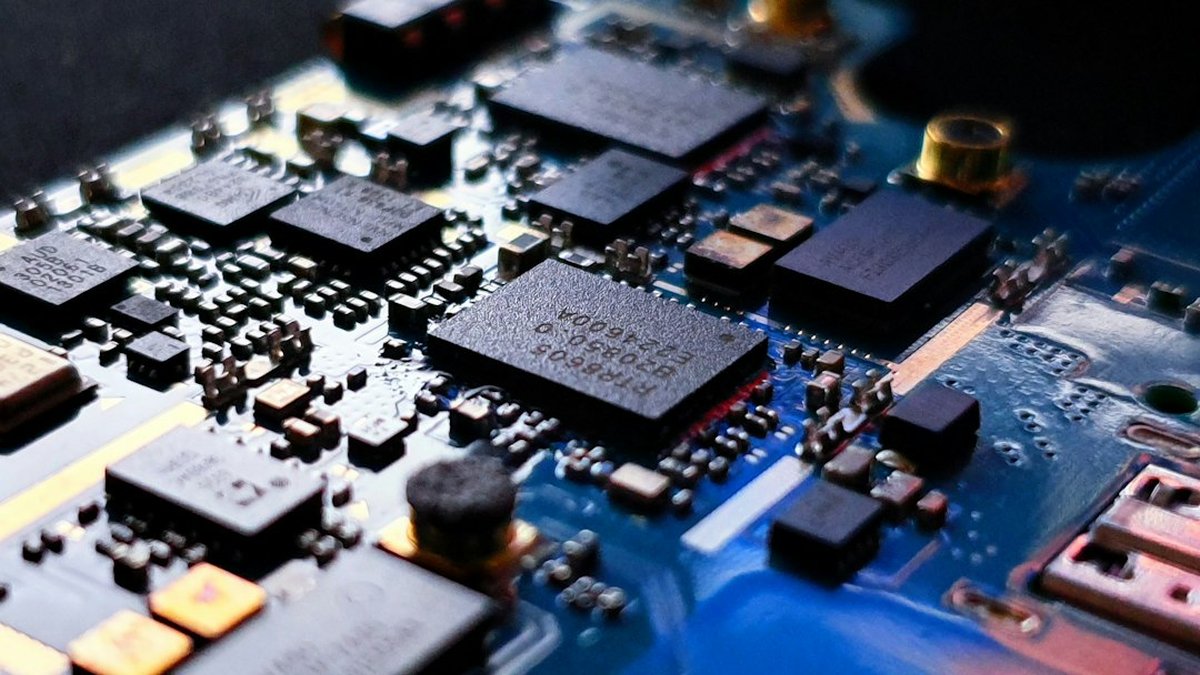
India’s Ministry of Electronics and Information Technology (MeitY) has set a bold target: an indigenous GPU chip within 24 months. This move is part of the India Semiconductor Mission 2.0, aiming to build a self‑sufficient semiconductor ecosystem and reduce reliance on foreign suppliers.
Key Developments in the GPU Initiative
- Targeted launch of a homegrown GPU by 2028, announced by Secretary S. Krishnan.
- Integration with a five‑layer AI ecosystem: energy, accelerator chips, computing infrastructure, AI models, and applications.
- Collaboration with local server manufacturers (VVDN, Kaynes, Avalon) and C‑DAC’s Rudra server line to support AI workloads.
- Parallel push for RISC‑V based CPUs—SHAKTI and VEGA—to complement the GPU effort.
Structured Overview
| Aspect | Details |
|---|---|
| Timeline | 24‑month development cycle, target 2028 |
| Key Players | MeitY, C‑DAC, local server OEMs, ASML, Tata Electronics, Intel |
| Technology Base | RISC‑V for CPUs; open‑source GPU architecture under development |
| Strategic Partnerships | ASML & Tata for 300mm fab; Intel & Tata for packaging |
Market and Technical Implications
The GPU push signals India’s intent to capture a share of the global AI hardware market, where demand for custom accelerators is soaring. By aligning GPU development with domestic server and AI model ecosystems, India can create a vertically integrated supply chain that reduces import bills and fosters local talent. The RISC‑V CPU line (SHAKTI, VEGA) further positions India as a challenger to proprietary architectures, potentially attracting startups and research labs seeking open‑source flexibility. However, the absence of a named manufacturer or chip supplier underscores the project’s early stage; success will hinge on securing fabrication capacity, securing IP licenses, and building a robust ecosystem of developers and end‑users.