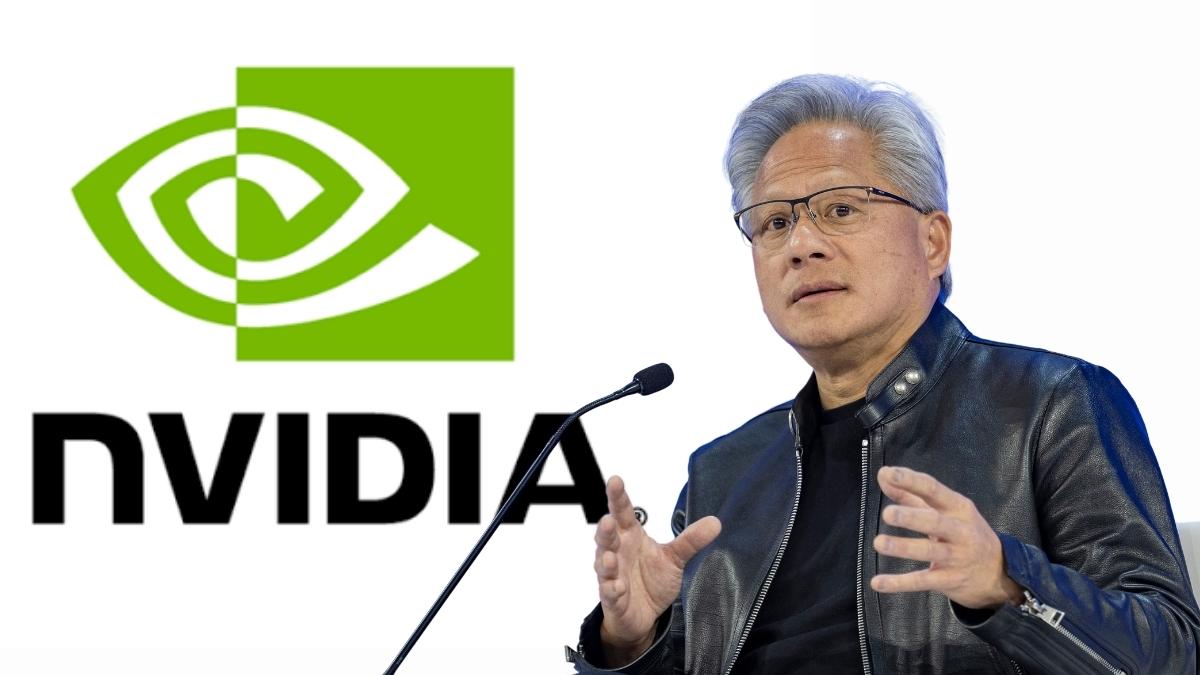
Short‑seller Culper Research flagged Nvidia’s CEO Jensen Huang’s ties to a suspected Chinese spy months before the scandal erupted, prompting a formal investigation by the company. The revelations have sent shockwaves through the semiconductor industry, raising questions about export controls and corporate governance.
Unpacking the Allegations
Culper’s May 13 report highlighted an “uncomfortably close” relationship between Huang and Alice Huang, an executive at Singapore‑based Megaspeed, a major buyer of Nvidia chips. The report noted repeated social outings and alleged that some Nvidia employees questioned the nature of their interactions. U.S. intelligence officials now believe Alice Huang was recruited by the Chinese government to gather intelligence on Huang’s decision‑making regarding U.S. export controls.
- Megaspeed’s liabilities and equity surged from $33 million in 2023 to roughly $3 billion by 2024.
- Financial records suggest a large portion of Megaspeed’s growth stemmed from refundable deposits linked to an unidentified source.
- Alibaba’s subsidiaries reportedly lent money to Megaspeed, indicating potential Chinese influence.
- Nvidia has opened a formal investigation into the CEO’s affair and the alleged espionage link.
Financial Footprints and Shell Companies
| Metric | Details |
|---|---|
| Megaspeed Liabilities (2023) | $33 million |
| Megaspeed Liabilities (2024) | $3 billion |
| Alibaba Loan Source | Subsidiaries via shell companies |
| Nvidia Investigation Status | Formal inquiry underway |
Industry Impact and Regulatory Response
The scandal underscores the vulnerability of global supply chains to geopolitical pressures. Export controls on advanced AI chips have already cost Nvidia significant revenue, and the potential diversion of chips through Southeast Asia could further strain U.S.‑China trade relations. Regulators are now scrutinizing the oversight of executive relationships that could compromise national security.
Deep Dive: Key Questions
What prompted Culper Research to flag the Nvidia‑Alice Huang connection months before the scandal?
Culper’s investigation began as part of a broader probe into Megaspeed’s ties to Nvidia. While analyzing Megaspeed’s financial statements, the firm identified a rapid increase in liabilities and equity, prompting a closer look at the company’s executive network. The discovery of repeated social interactions between Jensen Huang and Alice Huang, coupled with the lack of familial relation despite sharing a surname, raised red flags about potential conflicts of interest and espionage risks. Culper’s May 13 report surfaced these concerns, positioning the firm as a warning bell before the full scandal unfolded.
How does the alleged financing from Alibaba through shell companies affect Nvidia’s supply chain security?
Alibaba’s involvement introduces a layer of complexity to Nvidia’s supply chain, as the Chinese tech giant’s subsidiaries provided substantial loans to Megaspeed. This financial relationship could create a channel for intelligence gathering or influence over Nvidia’s strategic decisions. The use of shell companies obscures the true source of funds, complicating regulatory oversight and raising concerns about compliance with U.S. export control laws. If Nvidia’s chip sales to Megaspeed were diverted to China via these intermediaries, it would represent a direct breach of export restrictions.
What are the broader implications for U.S. semiconductor companies facing similar geopolitical risks?
The Nvidia case illustrates the heightened scrutiny that U.S. semiconductor firms face regarding executive relationships and foreign influence. Companies must now implement stricter due diligence protocols, ensuring that executive associations do not compromise national security or violate export controls. The incident also signals to regulators that short‑seller research can serve as an early warning system, prompting proactive investigations before formal scandals emerge. As the industry navigates these challenges, firms will likely invest more heavily in compliance infrastructure and transparent governance.