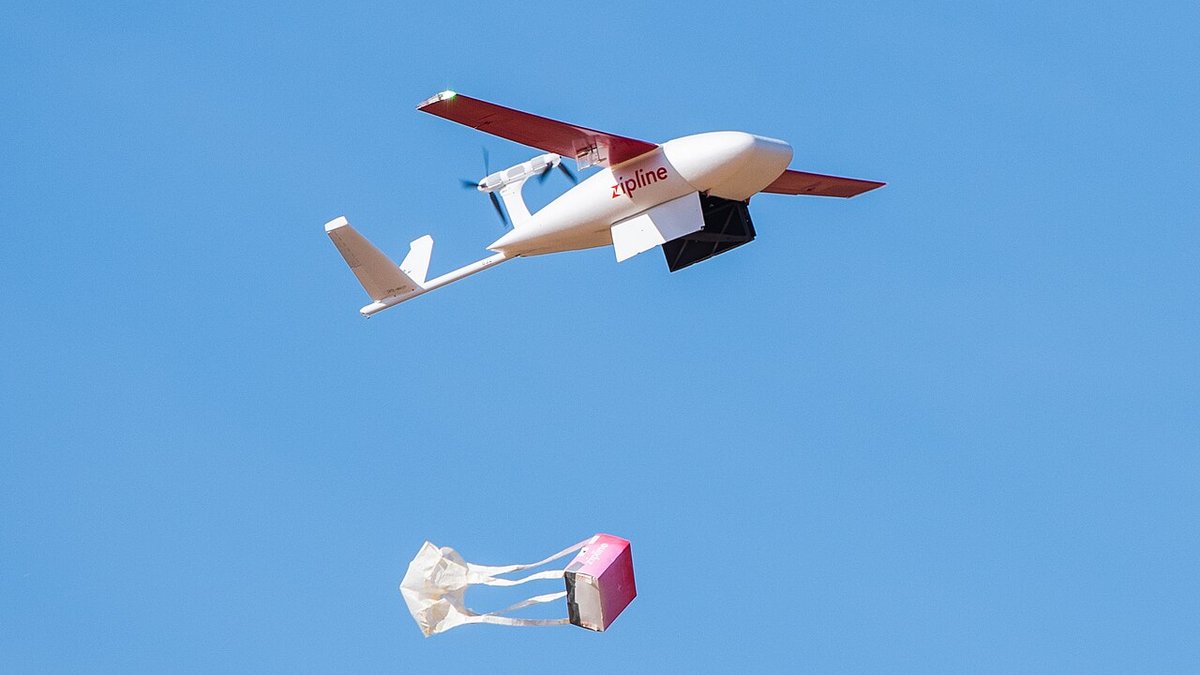
Trevor Wischnewsky became a remote pilot in command (RPIC) at FlyTrex after hearing about drone pizza deliveries in Texas. The role places him at the intersection of logistics, airspace regulation, and emerging tech.
Key Responsibilities of an RPIC
- Operate drones during delivery missions, ensuring precise navigation.
- Monitor flight paths and avoid obstacles in real time.
- Coordinate with local air traffic authorities to secure clear corridors.
- Ensure strict compliance with FAA drone regulations and safety standards.
- Handle emergency contingencies and perform post‑flight debriefs.
From Pizza to Policy: The Drone Delivery Evolution
Drone delivery has moved from experimental trials to commercial pilots in cities across the U.S. The FAA’s Part 107 rules now allow small unmanned aircraft to operate in controlled airspace, but operators must still navigate complex regulatory frameworks. Companies like FlyTrex are pioneering the integration of autonomous logistics with human oversight, creating a new workforce that blends aviation skills with tech fluency.
What the Future Holds for Air Traffic and Ethics
As drone fleets expand, the demand for certified RPICs will grow, prompting new training programs and certification pathways. Regulators are working to update air traffic control systems to accommodate low‑altitude traffic, while ethicists debate data privacy and safety implications. The rise of remote pilots signals a shift toward a hybrid workforce that balances automation with human judgment.