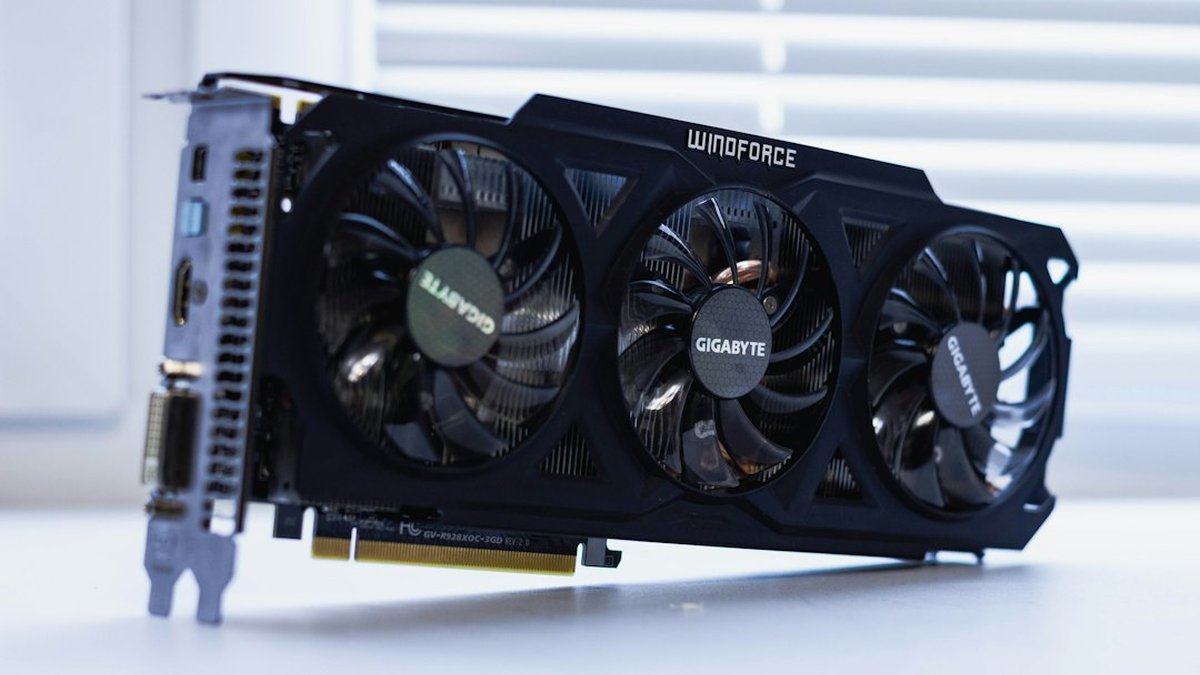
The GeForce RTX 5090, once a flagship gaming GPU, is now being dismantled in Chinese factories to power AI servers. A leaked video shows thousands of brand‑new cards being stripped down and reconfigured for high‑density data‑center use.
Massive Conversion Operations
- Industrial workshops disassemble RTX 5090s, removing GB202 silicon and GDDR7 memory chips.
- Components are transplanted onto a dual‑slot turbine cooler, replacing the original three‑fan, 3‑4 slot design.
- Modified cards are tested on open platforms, repackaged, and shipped to AI labs or data‑center clients.
Structured Overview
| Aspect | Details |
|---|---|
| Original Design | 3‑fan, 3‑4 slot, side‑blowing cooler |
| Modified Design | Dual‑slot turbine cooler, front‑to‑back airflow |
| Purpose | High‑density server racks for AI compute clusters |
| Scale | Thousands of RTX 5090s repurposed daily across China |
| Supply Impact | Near‑eradication of retail stock in U.S. markets |
Market & Technical Implications
The conversion trend underscores the relentless demand for GPU‑based AI acceleration. With Nvidia halting RTX 5090 production and redirecting silicon to higher‑margin professional lines like the RTX Pro 6000 Blackwell, the grey‑market recycling network has become a critical supplier for AI workloads. The dual‑slot turbine design solves the space and cooling constraints of 4U servers, making the repurposed cards a cost‑effective alternative to purpose‑built AI GPUs. However, the inflated retail price—approaching $10,000—combined with the scarcity of new units, has pushed some buyers toward prebuilt gaming systems that offer the same GPU at a lower total cost. This dynamic highlights a shifting balance between consumer and enterprise GPU markets, where supply chain disruptions and specialized re‑engineering can rapidly reshape availability and pricing.