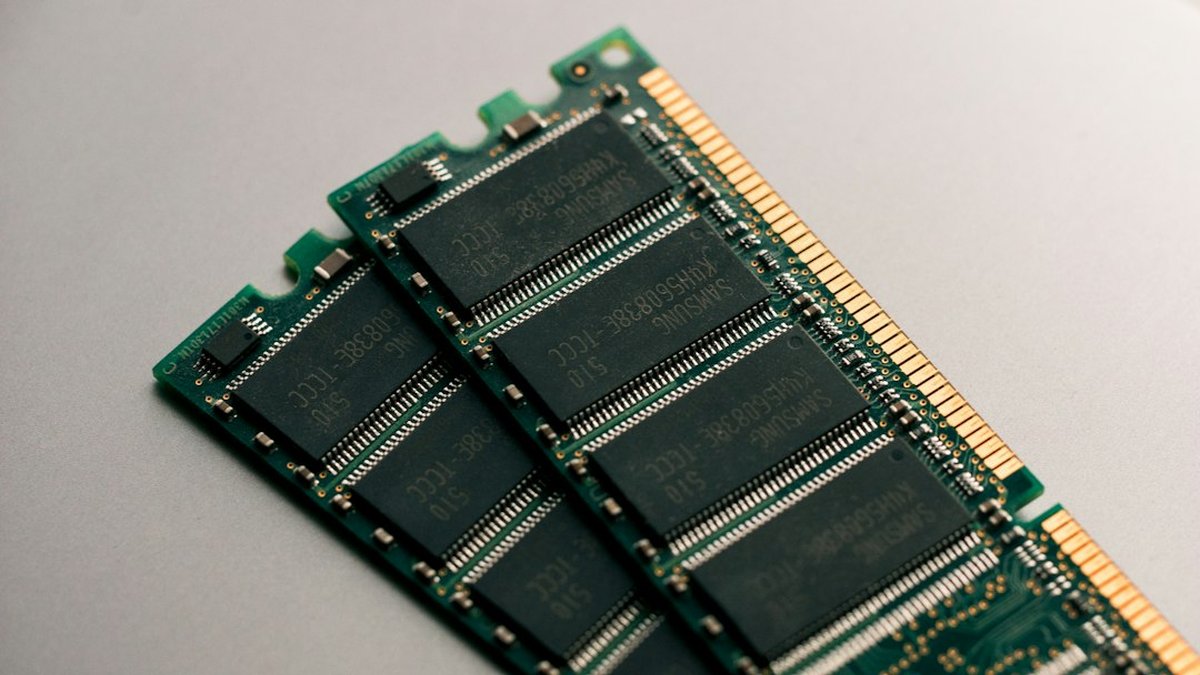
OpenAI CEO Sam Altman has taken a hard stance on the use of DRAM in home PCs, calling it a “terrible” allocation of scarce memory resources. In a candid interview with Cheeky Pint, Altman argued that the global supply of DRAM is limited and that its maximum utilization should be in data centers, not in individual desktops.
Why Local AI Is a Poor Use of Memory
Altman’s perspective stems from the observation that most consumer PCs only use a fraction of their memory—often around 5%—when running AI workloads. This low utilization contrasts sharply with the near‑constant demand in OpenAI’s data centers, where memory is kept busy 24/7 to support large language models. By keeping memory in the cloud, the company can achieve higher efficiency, reduce costs, and maintain tighter control over model performance.
- DRAM supply is globally constrained, making efficient allocation critical.
- Home PCs typically run AI models only sporadically, leading to under‑utilized memory.
- Data centers can maintain near‑full utilization, maximizing return on investment.
- High utilization in the cloud supports rapid scaling of AI services.
Data Breakdown
| Metric | Details |
|---|---|
| DRAM Utilization (Home PC) | ~5% |
| DRAM Utilization (Data Center) | >90% |
| Supply Constraint | Global shortage of high‑capacity memory modules |
| Impact on Subscriptions | Potential price shift if local inference becomes viable |
Implications for the Future of AI Hardware
Why does Sam Altman consider local AI on home PCs a “terrible” allocation of DRAM?
Altman’s critique centers on the inefficiency of dispersing scarce DRAM across millions of personal computers, each of which uses only a small fraction of its memory for AI tasks. In a supply‑constrained environment, this fragmented usage leads to a lower overall return on investment for the memory industry. By concentrating memory in data centers, OpenAI can maintain high utilization rates, reduce operational costs, and accelerate model training and inference. This strategy also aligns with the company’s business model, which relies on subscription revenue rather than selling hardware to consumers.
How does limited DRAM supply impact OpenAI’s data center strategy?
The scarcity of high‑capacity memory modules forces OpenAI to prioritize efficient use of every gigabyte. Data centers can deploy large, dense memory arrays that operate continuously, ensuring that each module delivers maximum throughput. This approach not only improves performance but also reduces the need for frequent hardware upgrades, thereby stabilizing long‑term operational expenses. Consequently, OpenAI can offer more competitive pricing for its cloud‑based AI services while maintaining a robust supply chain.
What are the implications for consumers wanting to run open‑source AI models locally?
Consumers who wish to run open‑source models on their own hardware face a trade‑off between ownership and performance. While local inference offers greater control and privacy, the limited memory capacity and low utilization rates mean that many users will still need to rely on cloud services for heavy workloads. Additionally, the high cost of acquiring sufficient DRAM for large models may deter widespread adoption. As a result, the market may shift toward hybrid solutions where consumers use local hardware for lighter tasks and offload demanding inference to the cloud.