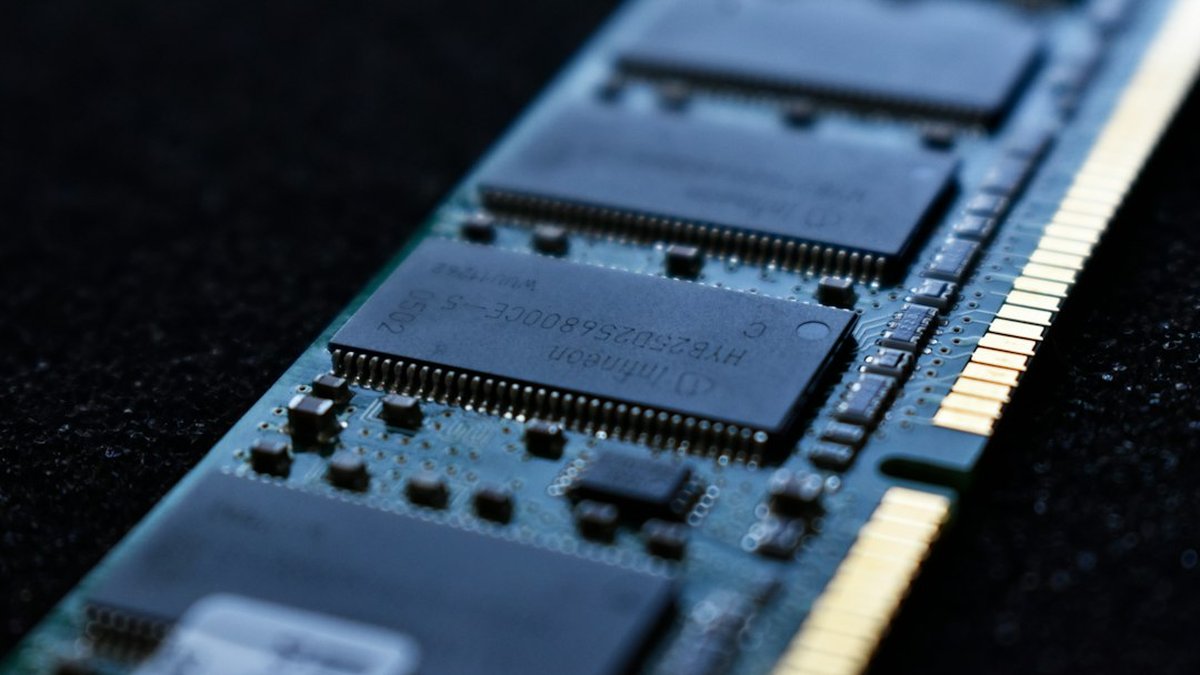
OpenAI CEO Sam Altman recently warned that having 32GB of DRAM in your desktop is “quite terrible,” sparking debate over the future of local AI inference and the role of memory in personal computers.
Altman’s Take on Local Inference
- He argues that the global supply of DRAM is limited and should be maximized in data centers.
- Local AI on home PCs would leave RAM underutilized, running only ~5% of the time.
- OpenAI’s business model relies on closed‑source models hosted in data centers.
Implications for PC Builders and Enthusiasts
| Aspect | Details |
|---|---|
| Memory Utilization | Low on home PCs vs. high in cloud |
| Business Model | OpenAI favors cloud‑based inference |
| Future of Local AI | Potential subscription shift if home inference scales |
| Hardware Demand | Possible slowdown in high‑RAM PC sales |
Industry Reactions
- Hardware reviewers note the risk of over‑provisioning memory in consumer PCs.
- Some AI researchers argue that local inference could democratize access to models.
- Cloud providers emphasize cost efficiency and scalability.
Potential Solutions
- Develop memory‑efficient inference algorithms to reduce RAM needs.
- Introduce hybrid cloud‑edge architectures that offload heavy workloads.
- Encourage modular memory upgrades for future‑proofing PCs.
Future Outlook
- DRAM prices may rise as demand for cloud data centers increases.
- PC manufacturers might shift to 16GB or 32GB kits as standard.
- AI chip designers could focus on low‑memory inference engines.
Market and Technical Outlook
Altman’s remarks highlight a tension between the growing appetite for AI workloads and the finite nature of DRAM. If cloud providers continue to expand their data‑center capacity, the incentive for consumers to invest in high‑capacity memory for personal machines may wane. This could shift the PC market toward more balanced configurations, prioritizing CPU/GPU performance over raw RAM. For AI hardware developers, the focus may shift to specialized accelerators that can perform inference with lower memory footprints, making local deployment more viable. Meanwhile, OpenAI’s stance underscores the strategic advantage of controlling the entire inference pipeline, potentially accelerating the adoption of subscription‑based AI services. The debate also underscores the importance of supply‑chain resilience, as DRAM shortages could impact both consumer and enterprise segments, prompting a reevaluation of memory budgeting in future PC designs.