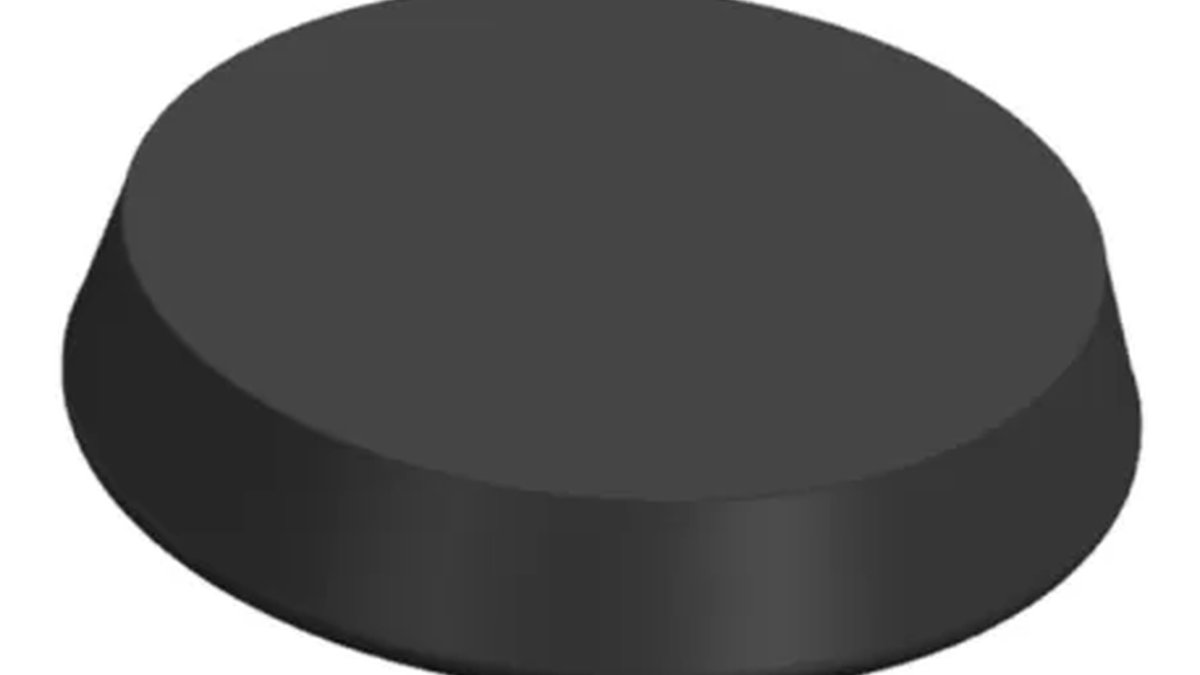
The U.S. Air Force Research Laboratory (AFRL) has successfully tested the SpaceX Starfall capsule, demonstrating a new Rocket Cargo capability that could enable rapid, point‑to‑point resupply from orbit. The test, conducted during the Bandwagon‑5 rideshare mission, saw Starfall launch from Cape Canaveral aboard a Falcon 9, drop cargo pods into the Pacific, and recover them after splashdown.
Test Highlights and Payloads
- Starfall capsule, 10‑ft diameter, 2,200‑lb capacity, carbon‑fiber heat shield, compressed‑gas attitude control, parachute deployment.
- Cargo pods carried MREs, bottled water, SATCOM tracker, spare batteries, and a UNI‑PAC III life raft for future fit‑check.
- Recovery in the Pacific Ocean allowed analysis of temperature, shock, and vibration effects during launch and reentry.
Structured Overview
| Aspect | Details |
|---|---|
| Vehicle | SpaceX Starfall capsule |
| Launch Vehicle | Falcon 9 (Bandwagon‑5 rideshare) |
| Payload Capacity | 2,200 lbs (potential for tens of tons with Starship) |
| Key Features | Carbon‑fiber heat shield, compressed‑gas thrusters, parachute system |
| Test Objectives | Validate Rocket Cargo P2D delivery, assess cargo environment stresses |
Implications for Future Mobility
The successful drop demonstrates a viable path toward orbital resupply, reducing reliance on conventional airlift and extending operational reach in contested regions. AFRL’s statement highlights cross‑disciplinary collaboration and the potential to scale payloads with SpaceX’s Starship, opening possibilities for delivering ammunition, vehicles, and even larger equipment directly from orbit. Competing efforts, such as Sierra Space’s Ghost reentry vehicle, underscore a broader industry push toward rapid, low‑risk logistics. For the U.S. military, especially in the Pacific theater, this technology could transform supply chains, enabling forward‑deployed forces to receive critical supplies without exposing aircraft or crews to hostile airspace.