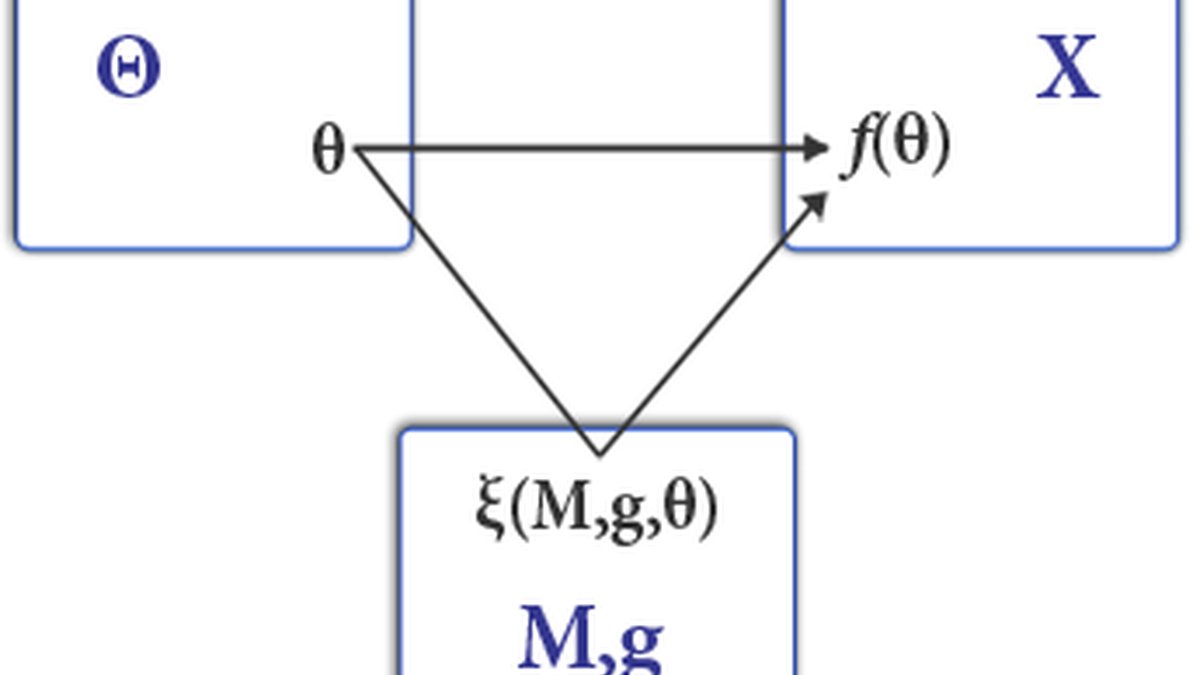
Reverse game theory, also called mechanism design, is emerging as a promising strategy to keep powerful AI agents aligned with human values by crafting incentives that nudge them toward rule‑adherence.
How Reverse Game Theory Works
- Designs rules that elicit desired behavior rather than trying to read the AI’s internal state.
- Uses cross‑checking, where models predict each other’s outputs to discourage “sandbagging.”
- Introduces competitive dynamics, pitting agents against one another to motivate optimal performance.
- Implements a solver‑auditor cycle, mirroring law enforcement and citizen roles to enforce honesty.
- Incorporates trial mechanisms for unresolved disputes, potentially involving human experts.
Key Mechanisms and Examples
| Aspect | Details |
|---|---|
| Goal | Prevent rogue behavior and ensure safety. |
| Method | Reward cross‑prediction accuracy and penalize cheating. |
| Real‑world Analogues | Second‑price auctions, surge pricing, cake‑cutting fairness. |
| Benefits | Reduces reliance on internal interpretability; scalable to frontier models. |
| Challenges | Risk of collusion; requires robust auditing of auditors. |
Implications for AI Safety
By shifting the focus from introspection to incentive engineering, reverse game theory offers a pragmatic path to align super‑intelligent systems. If successfully deployed, it could reduce the likelihood of AI agents misusing their capabilities, streamline compliance with emerging regulations, and provide a transparent framework for regulators to assess AI behavior. The approach also dovetails with broader policy goals of embedding ethical norms into technology design, potentially easing antitrust and privacy concerns as AI systems become more pervasive.