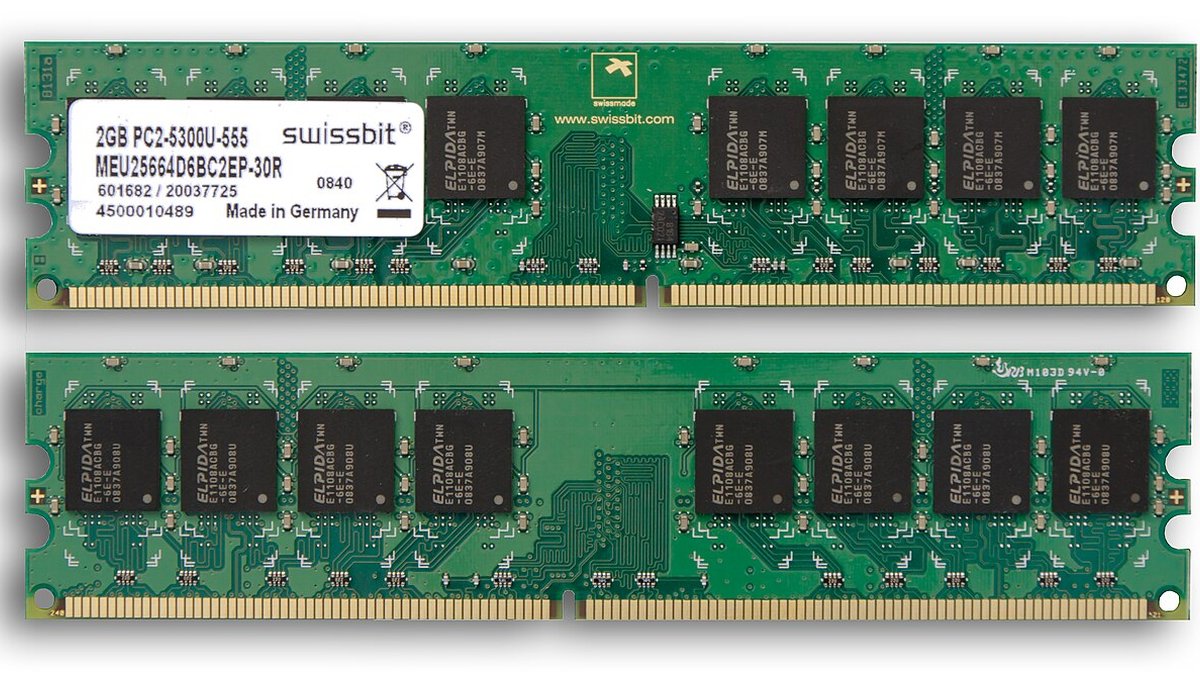
Apple is bracing for record‑high memory costs as RAM prices surge, pushing its manufacturing bill up $33 billion and threatening margins through 2027.
Memory Price Surge Explained
Apple’s latest earnings call revealed that the company is confronting a sharp rise in DRAM and NAND prices, a trend driven by the explosive growth of AI workloads. The semiconductor giant has already absorbed higher costs by leveraging inventory bought at lower prices, trimming other component expenses, and raising retail prices on several flagship lines. Yet the cushion is eroding, with a $33 billion climb in the manufacturing bill reported over just a few months.
- DRAM prices up 15‑20% YoY in Q3, according to Samsung’s memory division.
- NAND flash prices rose by high‑teen percentages in the same period.
- Apple’s CEO, John Ternus, labeled the current price spike as “unprecedented.”
- Supply forecasts from Samsung and SK Hynix warn of a continued crunch through 2028.
- Apple’s strategy to offset costs includes selective price hikes on Mac, iPad, and iPhone models.
Data Breakdown
| Metric | Details |
|---|---|
| Memory Price Increase | 15‑20% YoY for DRAM; high‑teen % for NAND |
| Manufacturing Bill Impact | $33 billion rise in a few months |
| Supplier Outlook | Supply crunch projected through 2028 |
| Apple’s Price Adjustments | Mac, iPad, iPhone price hikes in Q2 and Q3 2026 |
| Projected Margin Pressure | Potential margin squeeze through 2027 |
What This Means for Consumers and the Market
Is Apple overpriced right now?
Apple’s premium pricing strategy has long been a hallmark of its brand, but the recent memory cost surge has forced the company to raise prices on several high‑end devices. While the price increases are justified by the need to offset component cost inflation, they may lead some consumers to question the value proposition. Nonetheless, Apple’s strong demand resilience and brand loyalty suggest that the market will continue to absorb the higher prices, at least in the short term.
Why is RAM so expensive right now?
The surge in DRAM prices is largely driven by the AI boom, which has dramatically increased demand for high‑performance memory. Major suppliers such as Samsung and SK Hynix have reported that memory demand will far exceed supply for the foreseeable future, with DRAM average prices climbing quarter‑on‑quarter in Q3. The limited supply, coupled with the high cost of manufacturing new memory wafers, has created a classic supply‑demand imbalance that is inflating prices.
Will the iPhone price increase in 2026?
Apple has not yet announced a new price hike for the iPhone in 2026, but the company’s earnings call indicated that memory costs are expected to rise further into 2027. If the trend continues, Apple may need to revisit its pricing strategy for the iPhone line to maintain margins, especially as the company seeks to keep its flagship devices competitively priced.
Why are apples suddenly so expensive?
In this context, “apples” refers to Apple’s product lineup. The company’s recent price adjustments across Macs, iPads, and iPhones are a direct response to the unprecedented rise in memory and storage costs. While the brand’s premium positioning remains intact, the increased component expenses have translated into higher retail prices, making Apple’s products appear more expensive than before.