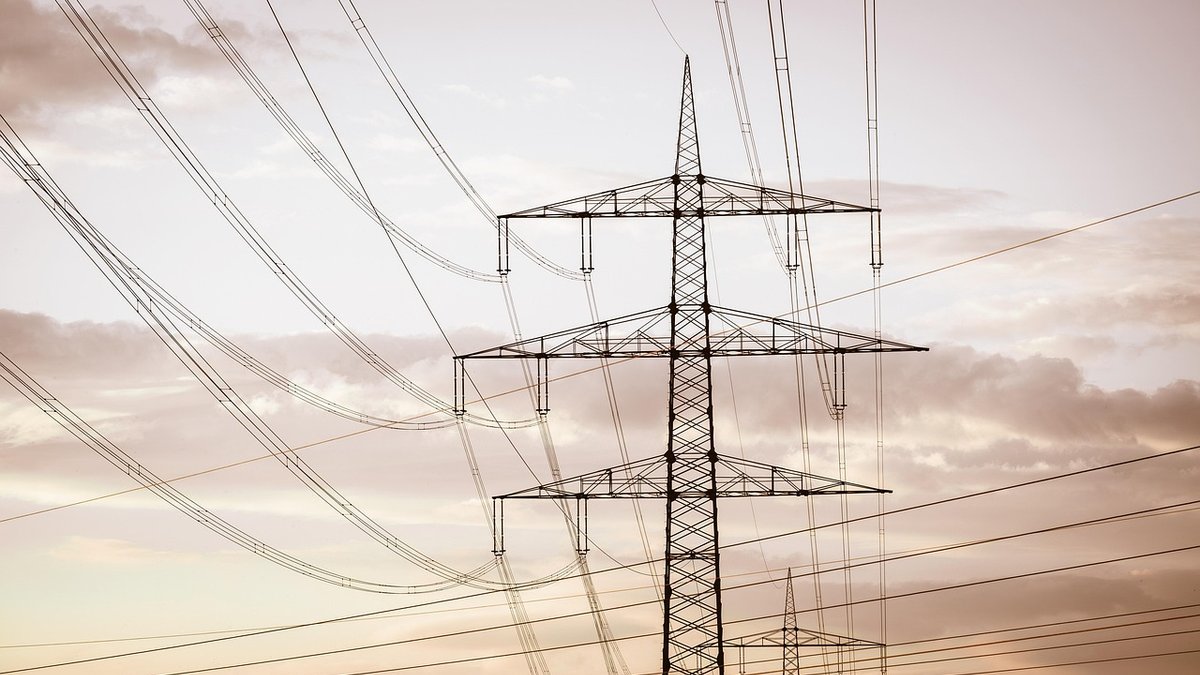
The rapid rise of data centers is reshaping America’s electric grid, turning a potential crisis into a catalyst for modern infrastructure.
Key Drivers of Change
- AI‑driven data centers are adding unprecedented load, prompting a surge in new grid connections.
- WeaveGrid’s load‑orchestration software helps utilities balance demand and cut consumer bills.
- Veir’s superconductive power lines promise five‑fold transmission distance with 20‑times less space.
- Rewiring America pushes for household electrification and new transmission lines to meet AI demand.
Structured Overview
| Aspect | Details |
|---|---|
| WeaveGrid | Software for load orchestration; reduces utility costs. |
| Veir | Superconductive cables; 5x distance, 20x less space; $110M Series C. |
| Rewiring America | Policy advocacy for electrification and grid expansion. |
| AI Impact | Data center energy demand drives grid modernization urgency. |
Market & Technical Implications
The convergence of AI workloads and renewable integration forces utilities to adopt smarter, more efficient transmission solutions. Companies like Veir are lowering physical footprint while boosting capacity, enabling data centers to become “good neighbors.” Meanwhile, software platforms such as WeaveGrid provide real‑time demand management, mitigating peak stress and keeping bills in check. Together, these innovations signal a shift from reactive grid upgrades to proactive, technology‑driven resilience, positioning the U.S. to meet future energy demands without widespread outages.