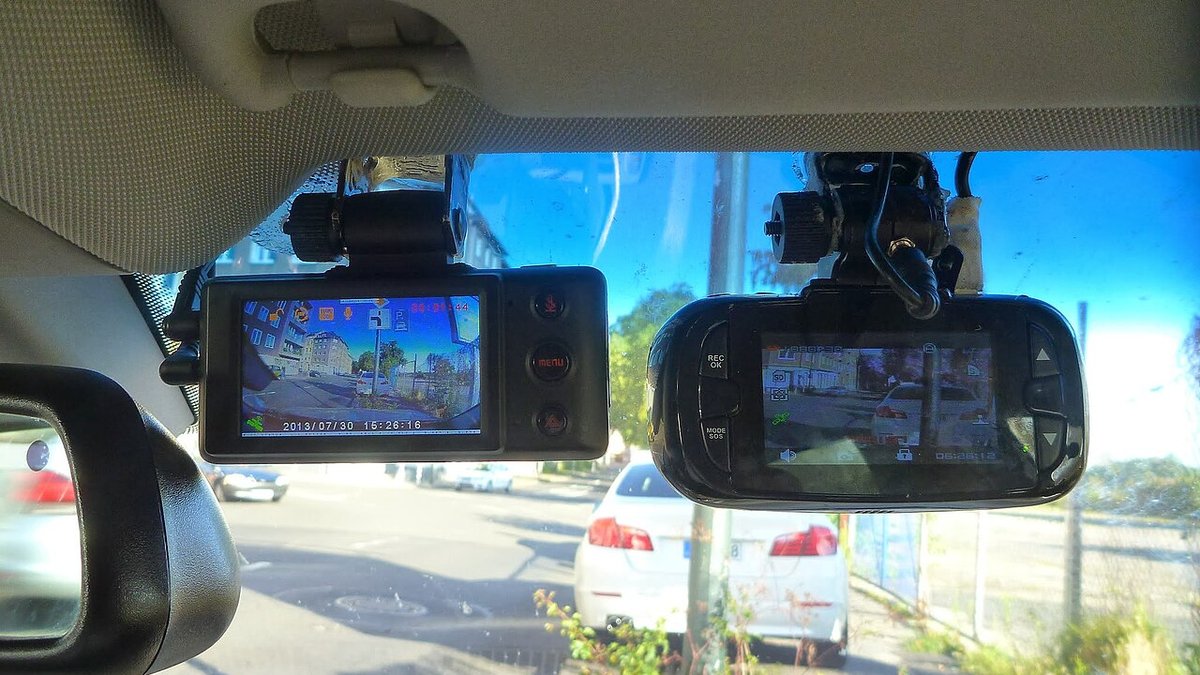
The Federal Communications Commission (FCC) has taken a decisive step by banning two consumer electronics— a dashboard camera and a wireless video transmitter— from the U.S. market. This unprecedented move stems from the presence of Huawei’s HiSilicon Smart Vision SoC, a chip that embeds advanced AI capabilities flagged as a national‑security risk.
Why the FCC Took Action
Historically, the FCC’s authority to ban devices was limited to individual products or brands. The new chip‑level rule closes a loophole that allowed rebranded devices to slip through, even when they incorporated components from entities on the Covered List. By targeting the underlying chip, the FCC can prevent a broader range of products from entering the market.
Inside the HiSilicon Smart Vision SoC
The Hi3516CV610 UHD Smart Vision SoC is engineered for surveillance and camera applications. It integrates Wi‑Fi, Ethernet, video encoding, an Arm Cortex‑A7 core, and a dedicated Neural Processing Unit (NPU) that runs multimodal large‑model AI. The Intelligent Video Engine (IVE) leverages transformer‑based acceleration to maintain contextual “attention” across video frames, enabling the device to distinguish between pets, faces, and parcels.
Impact on the U.S. Market
With the ban, any device that incorporates the HiSilicon SoC— whether sold under a domestic brand or a foreign rebrand— is prohibited from sale or marketing in the United States. This action signals a tightening of supply‑chain scrutiny and may prompt manufacturers to seek alternative chip suppliers or redesign affected products.
Technical Breakdown
- SoC: Hi3516CV610 UHD Smart Vision
- Core: Arm Cortex‑A7
- AI Engine: NPU with transformer acceleration
- Connectivity: Wi‑Fi, Ethernet
- Target Applications: Dashcams, wireless CCTV, surveillance systems
Industry Repercussions
| Device | SoC | Key Feature | Reason for Ban |
|---|---|---|---|
| Dashboard Camera | Hi3516CV610 | Face detection AI | Logic‑bearing NPU from Covered List |
| Wireless Video Transmitter | Hi3516CV610 | Real‑time video encoding | Embedded transformer AI engine |
Beyond the Ban: Router and Telecom Queries
Which routers has the FCC banned?
While the FCC’s recent enforcement focused on devices containing Huawei’s HiSilicon chips, the current ban does not list any specific routers. The agency’s coverage list primarily addresses equipment that could facilitate surveillance or compromise national security. Therefore, routers that do not incorporate the flagged SoC remain unaffected by this particular ruling.
Is the FCC investigating T‑Mobile?
There is no mention in the source material of an FCC investigation into T‑Mobile. The agency’s actions described here are limited to the two consumer devices that house the HiSilicon Smart Vision SoC. Any inquiries about T‑Mobile would require separate documentation or official statements not provided in the current context.
Which routers are approved for use in the US?
The article does not enumerate approved routers. Generally, routers that are manufactured by U.S. companies or by foreign firms not on the Covered List are considered compliant. However, the FCC’s focus on chip-level scrutiny means that any router embedding a Covered List chip would face restrictions, regardless of its brand.
Did the FCC lift the Verizon unlock rule?
The source text does not reference the Verizon unlock rule or any changes to it. Consequently, there is no evidence that the FCC has altered its stance on that policy within the scope of this announcement.