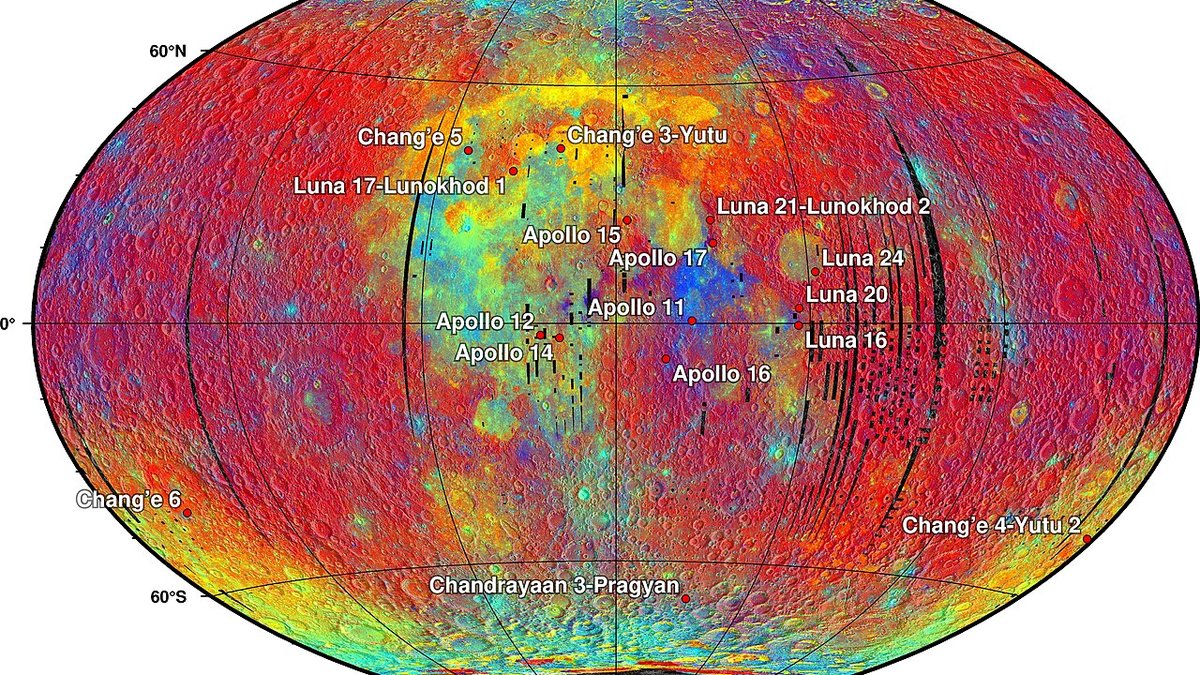
HPE Spaceborne Computer‑4 will carry out the first high‑performance computing benchmarks on the Moon, testing AI and HPC workloads in lunar conditions.
Mission Overview
- Launch via NASA’s Commercial Lunar Payload Services in late 2026.
- Rover: Astrolab FLIP, landing at the lunar south pole.
- Partners: NASA, Deloitte, Voyager Technologies Griffin‑1 lander.
- Goal: run HPCG, HPL, and AI tests directly on the lunar surface.
Hardware Specs
- Fanless, lightweight blade, ~10×4 inches, ~10 lb, a drastic miniaturization from the 124‑lb original Spaceborne Computer.
- 1 TB Kioxia storage, low‑power CPU, small GPU, all sealed for vacuum and radiation.
- Heat dissipated through a rover plate; chassis engineered for lunar thermal extremes.
- Designed for “far‑edge” computing, enabling on‑site data analysis without Earth‑side latency.
Benchmarking and AI Workloads
| Aspect | Details |
|---|---|
| Benchmarks | HPCG, HPL, LLM retrieval‑augmented generation, vision inference, LiDAR mapping and terrain analysis. |
| AI Services | LLMs for insights and autonomous monitoring; NASA’s FLUID neural network; Deloitte’s Silent Shield cyber‑intrusion detection. |
| Data Handling | Secure Earth‑side link, near‑real‑time analytics, low bandwidth, all managed by HPE’s software suite. |
Implications
By demonstrating HPC and AI at the lunar edge, HPE positions itself as a pioneer in space‑edge computing, potentially opening new markets for autonomous lunar operations and real‑time data analysis. The partnership with NASA and Deloitte showcases a multi‑sector approach to secure, AI‑driven exploration, while the lightweight design sets a precedent for future spaceborne compute modules. If successful, the benchmarks could validate new power‑budget models and chip vendors tailored for extraterrestrial environments, accelerating the deployment of AI workloads beyond Earth.