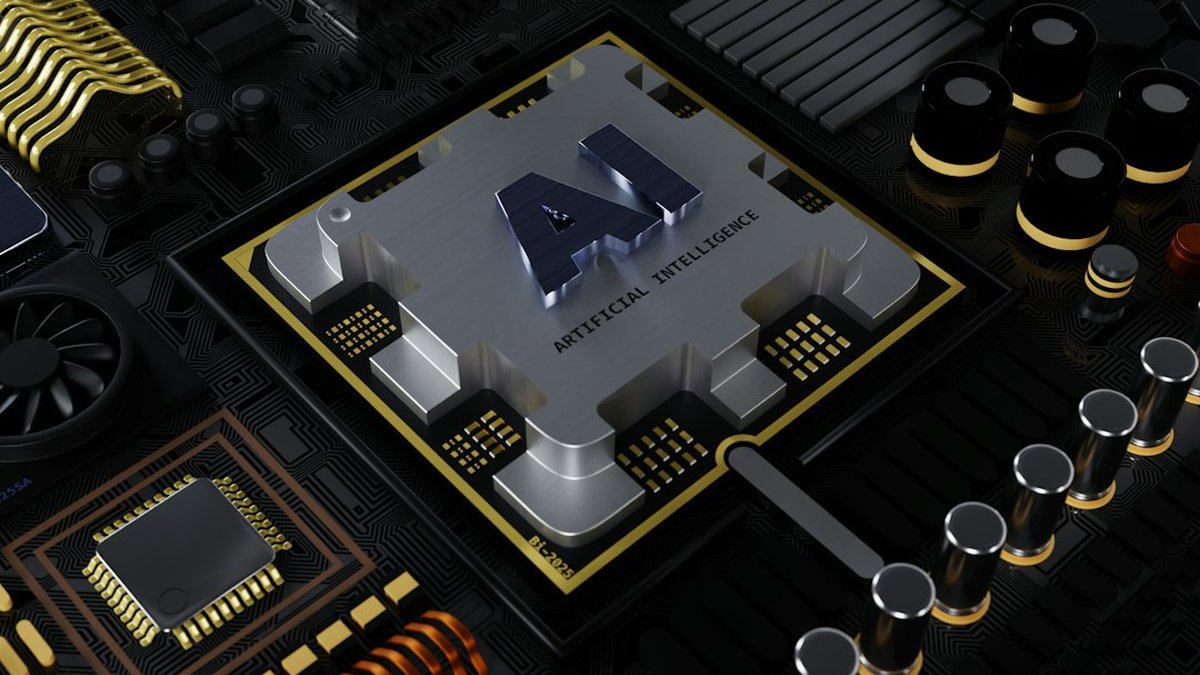
IEEE’s new educational initiative tackles the growing complexity of AI hardware, offering a five‑course curriculum that blends theory with real‑world deployment.
Program Highlights
- Fundamental design principles and functionality of AI processors.
- Practical insights into advanced accelerator architectures.
- Deep dive into neural processing units for industry deployment.
- Emerging trends and evolving AI chip architectures.
- Design strategies for edge, cloud, quantum, and IoT environments.
Why the Shift to Edge AI Matters
Edge AI has surged as devices demand on‑device intelligence, but scaling deep neural networks has exposed memory‑bandwidth bottlenecks and energy constraints. Traditional CPUs and GPUs struggle to meet latency and throughput demands, prompting a pivot toward domain‑specific accelerators. IEEE’s program reflects this industry pivot, equipping engineers with the co‑optimization skills needed to navigate the AI memory wall and deliver efficient, high‑performance solutions.
What This Means for AI Hardware
By formalizing AI chip design education, IEEE is accelerating the pipeline of talent capable of building next‑generation accelerators. The curriculum’s focus on co‑optimization and edge deployment is expected to spur innovations that reduce power consumption, shrink form factors, and lower deployment costs. As more engineers master these principles, the industry can expect a wave of specialized chips that bridge the gap between research prototypes and commercial products.