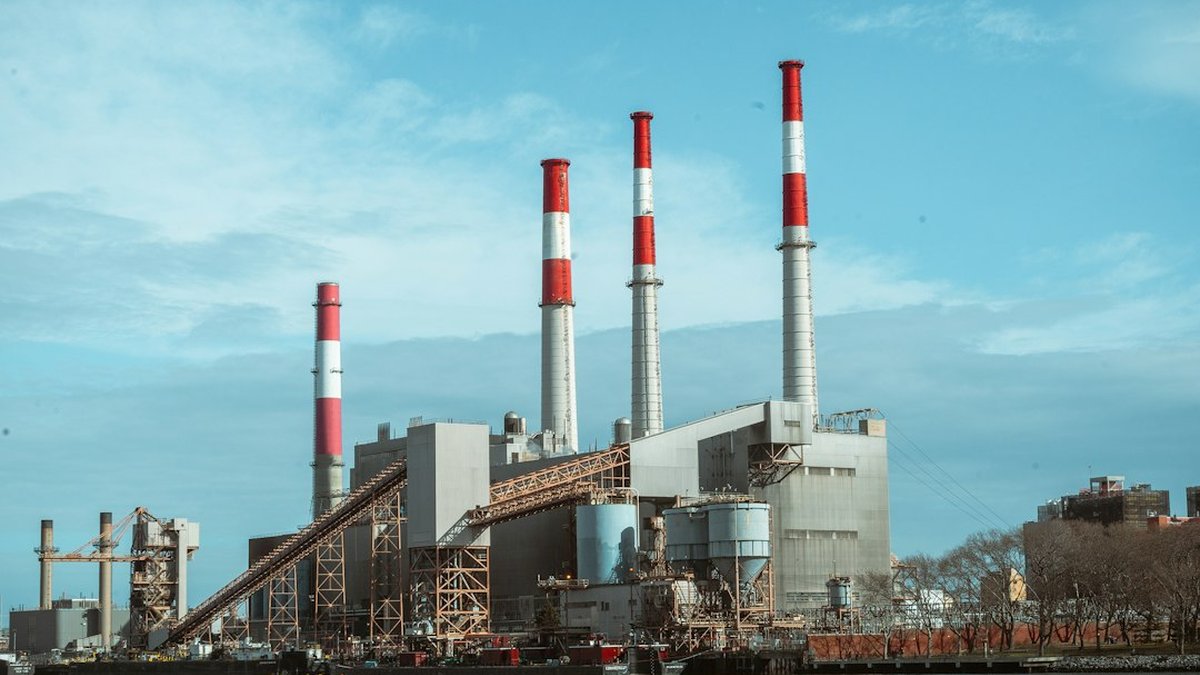
Industrial AI is stepping into a new era, moving beyond predictive analytics to deploy foundation, physical, and agentic models that can safely interact with real‑world machinery.
Core Facts: New Models Power Physical Interaction
- Foundation models now enable real‑time decision‑making on factory floors.
- Physical AI fuses sensors and actuators for direct machine control.
- Agentic AI introduces autonomous agents that plan and execute tasks across production lines.
- Built‑in safety protocols guard against hazardous interactions.
Background: From Predictive Analytics to Autonomous Agents
For decades, industrial AI focused on predictive maintenance and specialized analytics. The recent convergence of large‑scale foundation models, edge‑computing physical AI, and agentic decision systems marks a shift toward end‑to‑end automation. This evolution brings new regulatory scrutiny, as safety and compliance standards must adapt to AI that can physically alter production environments.
Future Impact: Workforce, Compliance, and Market Dynamics
As factories adopt these safer, more capable AI systems, manufacturers will need to retrain staff, update safety certifications, and align with emerging AI‑specific regulations. The ability to autonomously reconfigure production lines could reshape supply chains, reduce downtime, and spur new market entrants, but it also heightens the need for robust safety frameworks and transparent governance.