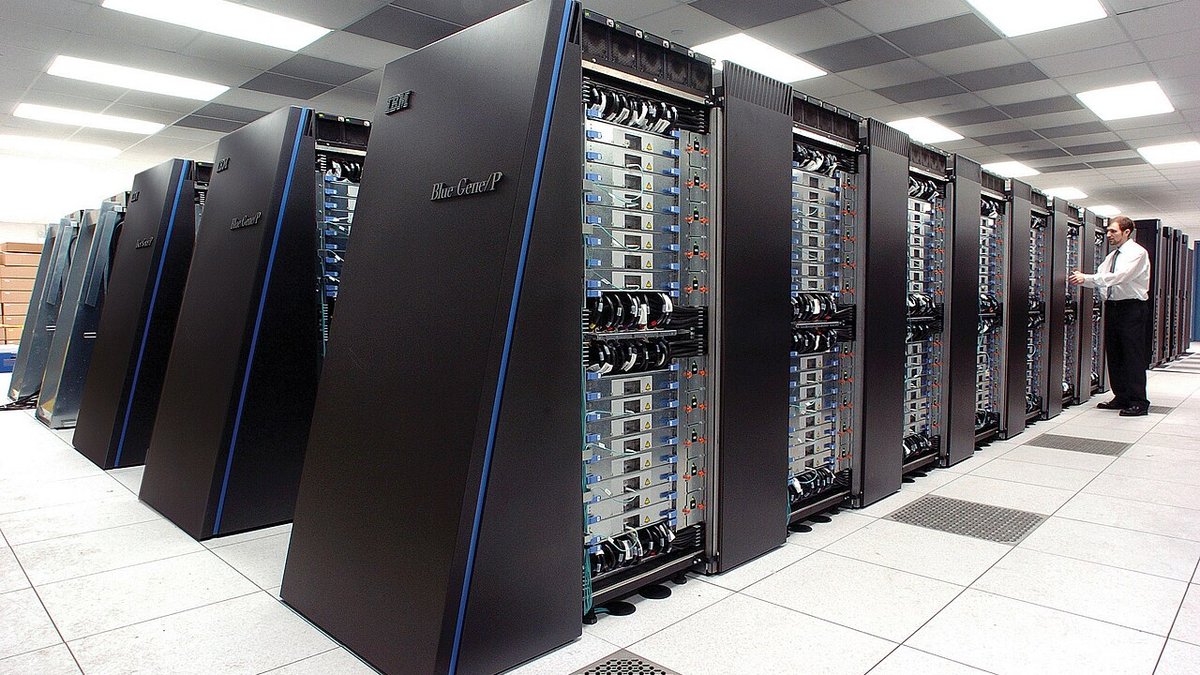
LineShine, China’s flagship exascale machine, has retained its spot at the top of the Top500 list, delivering 2.198 FP64 ExaFLOPS with a 42.22 MW power draw. Its all‑CPU design, built on the homegrown LingKun platform, sets it apart from the accelerator‑heavy competitors that dominate the field.
LineShine’s CPU‑Centric Edge
- 304‑core Armx9 LX2 processors clocked at 1.55 GHz, totaling 13,789,440 cores.
- Exclusive reliance on CPUs yields only a 3.6× boost from FP64 to mixed precision, lower than GPU‑accelerated systems.
- LingQi interconnect provides low‑latency communication without external accelerators.
Global Exascale Landscape
| Supercomputer | Location | FP64 ExaFLOPS | Power (MW) |
|---|---|---|---|
| LineShine | Shenzhen, China | 2.198 | 42.22 |
| El Capitan | Livermore, USA | 1.809 | 29.69 |
| Frontier | Oak Ridge, USA | 1.353 | 24.61 |
| Aurora | Argonne, USA | 1.012 | 38.70 |
| Jupiter Booster | Jülich, Germany | 1.000 | 15.79 |
AI Compute Shift
The Top500’s stagnant top‑10 and energy‑efficient lists, coupled with only 27 new entries in the latest edition, underscore a seismic shift in HPC priorities. While the aggregate HPL performance rose 4.4% to 19.57 FP64 ExaFLOPS, the threshold for entry climbed 7.3% to 2.857 PFLOPS. Meanwhile, AI data centers are absorbing the bulk of new hardware, with the global AI compute capacity already surpassing 15 million Nvidia H100 GPUs. This trend signals that future investment will favor dense, accelerator‑rich clusters for commercial AI workloads over the traditional, CPU‑centric supercomputing paradigm exemplified by LineShine.