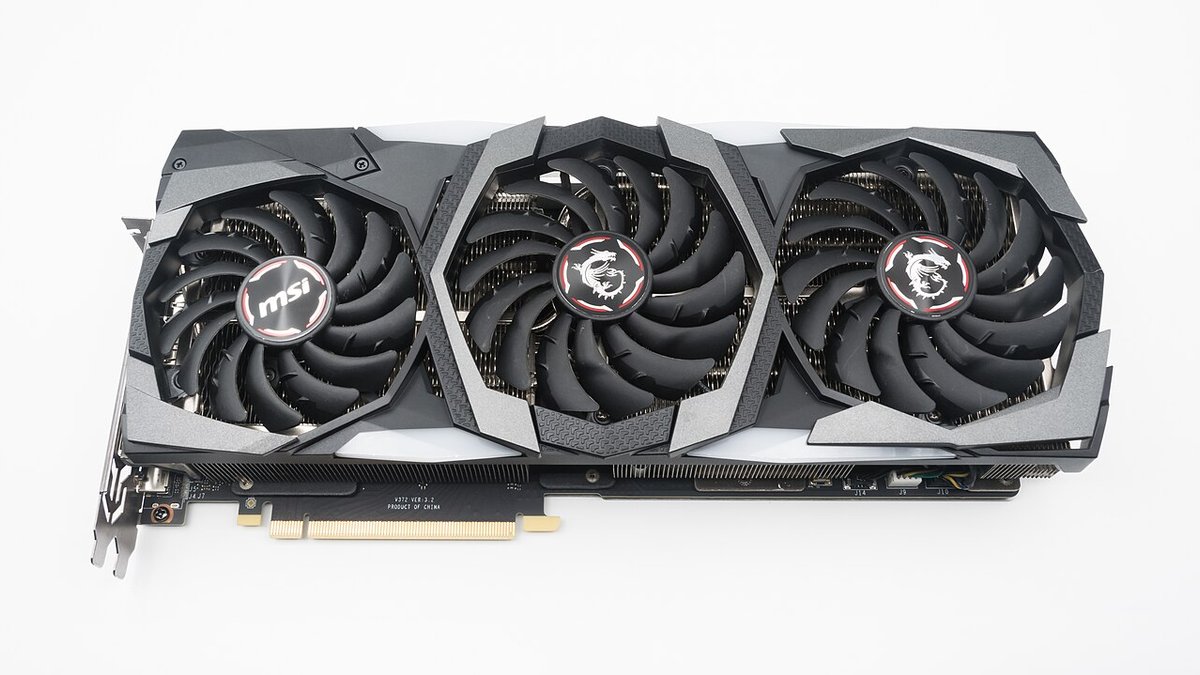
The latest firmware exploit has let owners of Nvidia RTX 20, 30, and 40‑series GPUs bypass a half‑speed AI throttle, unlocking full matrix‑math throughput and doubling the RTX 4090’s peak tensor rate.
Key Unlock Developments
- Three independent projects (gpu‑unlock, gpu‑unlock‑ada, turing‑unlock) provide unofficial Linux modules and experimental Windows builds.
- Unlocks restore native FP32‑accumulate performance to the same level as FP16‑accumulate, a restriction that Nvidia imposed on all GeForce generations.
- Performance gains vary: RTX 4090 peaks jump from 165.6 to 331.6 TFLOPS (FP16/BF16), while the RTX 3090 Ti sees +35% FP16, +80% BF16, and +94% TF32 matrix‑multiply improvements.
Structured Overview
| Aspect | Details |
|---|---|
| Unlock Projects | gpu‑unlock (Ampere), gpu‑unlock‑ada (Ada), turing‑unlock (Turing) |
| Target GPUs | RTX 4090, 4070 Ti Super, 4060 Ti 16GB, 3090 Ti, 3080, 3070, 3060, 2080 Ti |
| Peak Tensor Rate (RTX 4090) | 165.6 → 331.6 TFLOPS (FP16/BF16) |
| Matrix‑Multiply Gains (RTX 3090 Ti) | +35% FP16, +80% BF16, +94% TF32 |
| Power Limit Impact | Higher wattage cards (260 W) show up to +59% FP16 gains; lower limits (225 W) only +25%. |
Market & Technical Implications
While the unlock delivers impressive raw throughput, real‑world AI workloads see modest gains. Chatbot token speeds remain largely unchanged because they are memory‑bandwidth bound, not compute‑bound. However, prompt processing and image generation workloads that rely heavily on matrix operations can benefit from the restored throughput, potentially shortening inference times for large language models and diffusion pipelines. The availability of multiple community projects also signals a growing demand for higher performance in edge AI and GPU‑accelerated research, pushing Nvidia to reconsider its throttling strategy in future driver releases.