A new arXiv paper introduces Offline AI Modules, a low‑power, voice‑first architecture designed for African language communities lacking reliable internet. The stack includes a modular architecture, a low‑cost hardware bill of materials, and a reproducible quantization pipeline for 2‑5B parameter instruction‑tuned models.
Core Facts
- Modular voice‑first offline architecture tailored for speech‑dominant African languages.
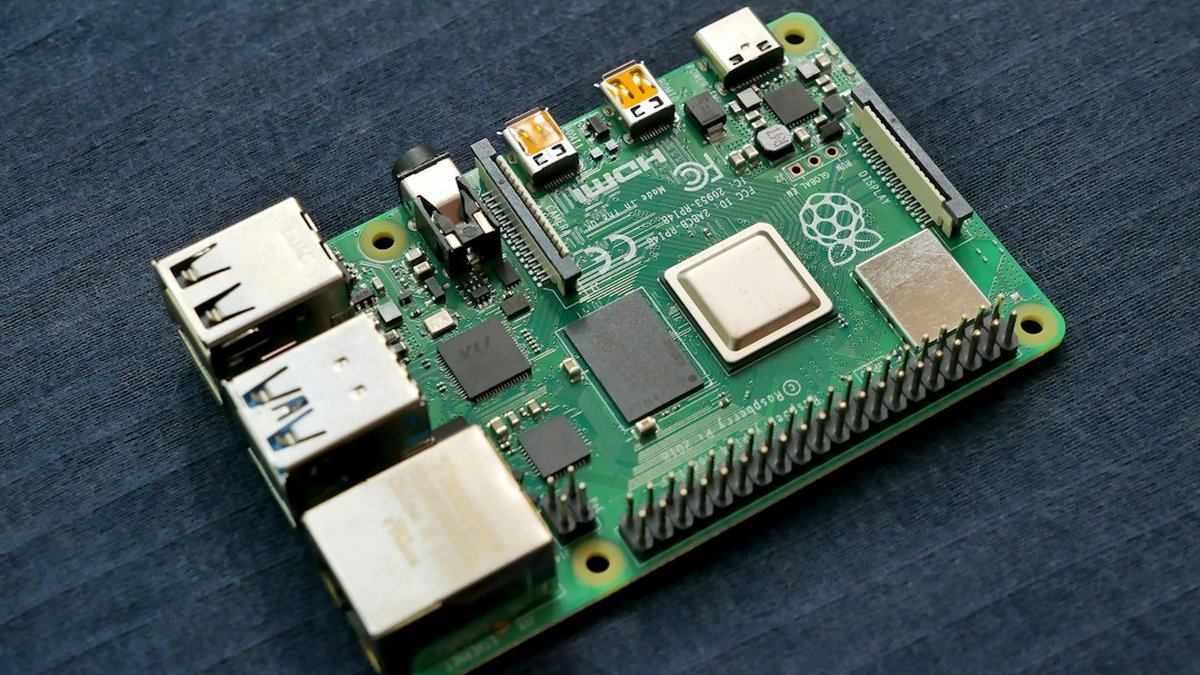
- Low‑cost hardware reference: NVIDIA Jetson Orin NX (Tier B) and Raspberry Pi 5 (Tier A).
- Quantization pipeline evaluates Q4_K_M, Q4_K_S, Q8_0, and FP16 formats.
- Benchmark results: gemma‑4‑E2B‑it achieves 28.8 t/s decode throughput and 89.2 % topic‑classification accuracy on Tier B.
- All three models fit within 16 GB memory on Tier A, with acceptable power draw.
Background
The work addresses a critical gap in AI accessibility for African language communities where speech is the primary interaction mode and internet connectivity is unreliable. By leveraging the MasakhaNEWS dataset for multilingual quality assessment and Ethio‑ASR for speech recognition, the study builds on prior efforts to democratize AI through low‑power, offline deployment. The hardware reference stack offers a practical, community‑friendly path to bring instruction‑tuned models to edge devices.
Future Impact
Offline AI Modules could enable voice‑first assistants that operate without cloud reliance, expanding AI reach into underserved regions. The quantization findings—particularly the Q4_K_M format—provide a roadmap for efficient deployment on commodity hardware, encouraging hardware vendors to adopt similar low‑power designs. Future research may extend the stack to additional low‑resource languages and explore further compression techniques, accelerating the global diffusion of AI services.