Privacy is no longer a simple personal choice—tech giants are embedding surveillance into everyday objects, reshaping how we protect ourselves and those around us. From Apple’s Audio Intelligence to Meta’s smart glasses, the line between consent and intrusion is blurring, forcing users to navigate a complex web of devices that record, transcribe, and summarize our lives.
How Ambient Devices Reframe Privacy
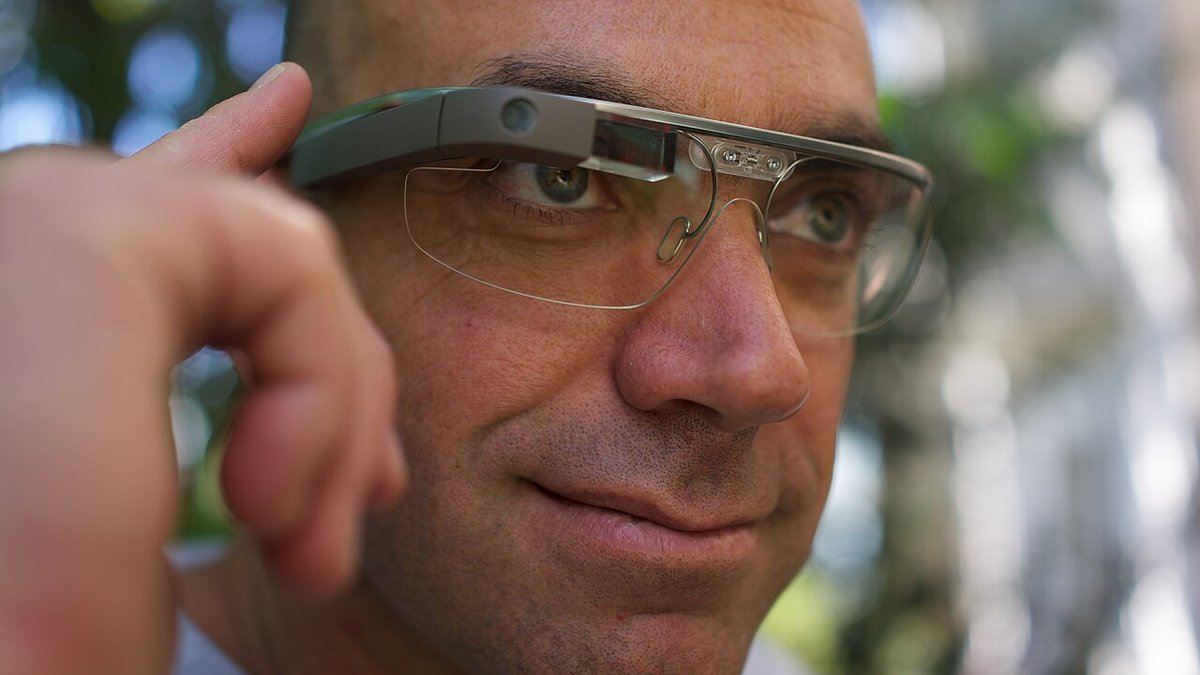
Companies like Apple, Amazon, Meta, and Google are pushing the envelope by turning everyday wearables into constant recording tools. Apple’s Audio Intelligence turns the Apple Watch into a transcription machine, while Amazon’s Bee devices capture and transcribe everything in their vicinity. Meta and Google have added AI-powered cameras to smart glasses that can record or describe what the wearer sees. These products promise user control—Apple cites technical barriers, Amazon claims no audio is stored, and Meta offers customizable privacy settings—but they largely ignore the rights of bystanders who are unknowingly recorded.
- Apple Audio Intelligence: microphone-based transcription, no audio stored, technical barriers to data access.
- Amazon Bee: continuous recording, transcripts generated, optional store integration for targeted ads.
- Meta & Google Smart Glasses: AI-driven recording, face-blurring options, user agreement to not record others without permission.
Data Breakdown: Device Comparison
| Metric | Apple Audio Intelligence | Amazon Bee | Meta & Google Smart Glasses |
|---|---|---|---|
| Device Type | Apple Watch | Bee | Smart Glasses |
| Audio Recording | Yes, transcribed only | Yes, transcribed and stored as text | Yes, recorded and AI-described |
| Data Storage | None, data discarded after transcription | Transcripts stored; optional integration with Amazon store | Transcripts stored; user agreement to limit recording of others |
| User Control | Technical barriers, white paper | Always in control, no audio stored | Customizable privacy controls, face-blurring |
| Bystander Protection | None | None | None, only user-facing controls |
Beyond Consent: The Social Cost of Constant Recording
Is AI invading our privacy?
AI-driven devices are increasingly capable of capturing and interpreting personal data in real time, raising legitimate concerns about surveillance. The integration of cameras and microphones into everyday wearables means that conversations and visual contexts can be recorded without explicit consent from all parties involved. While companies argue that user controls and technical safeguards mitigate these risks, the lack of protections for bystanders suggests that AI is indeed encroaching on privacy in ways that traditional consent models cannot adequately address.
Why is everyone updating their privacy policy in 2026?
The surge in ambient recording devices has prompted a wave of policy revisions as firms seek to align with evolving legal frameworks and public expectations. In 2026, regulators are tightening rules around data collection, especially for audio and visual content that can be automatically processed by AI. Companies are updating policies to clarify data usage, storage, and user rights, aiming to preempt potential legal challenges and maintain consumer trust amid growing scrutiny.
Does Gen Z care about privacy?
Gen Z’s digital nativity has fostered a heightened awareness of data security and personal autonomy. Their preference for platforms that offer granular privacy settings reflects a broader cultural shift toward valuing transparency and control. However, the allure of convenience and the prevalence of ambient devices may still tempt younger users to overlook the nuanced implications of continuous recording.
Is there a such thing as privacy anymore?
While the concept of privacy remains legally protected, its practical application is increasingly challenged by pervasive technology. The normalization of background recording devices erodes the spontaneity of private interactions, making it harder for individuals to maintain unobserved conversations. As a result, many argue that true privacy is becoming a relic of the past, replaced by a new reality where consent is fragmented and often unfeasible for non-users.