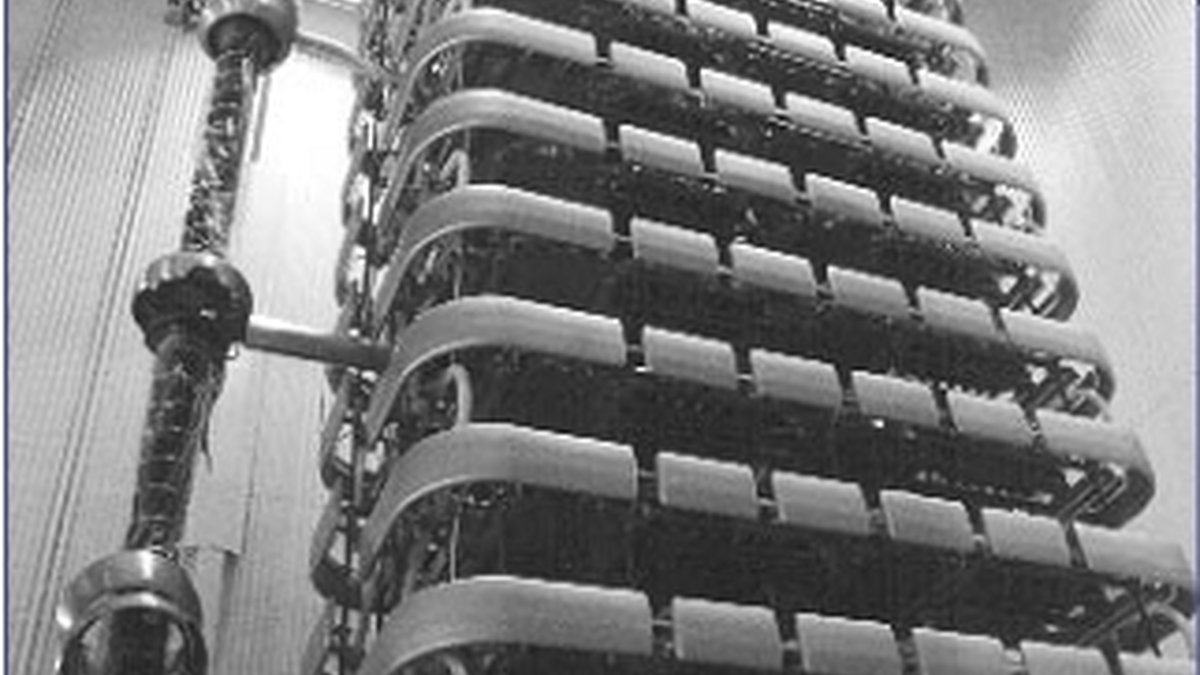
Solid‑state transformers are emerging as a key upgrade to the grid’s aging transformer fleet, offering compact, efficient power conversion that could meet the rising demand from EVs, data centers, and AI workloads.
Why the Upgrade Matters
- Traditional transformers rely on bulky steel cores and copper windings, making them large, costly, and hard to replace.
- Solid‑state designs combine magnetic cores with high‑power semiconductors, shrinking size to about one‑tenth while matching capacity.
- They provide precise frequency control, improving grid stability and allowing integration of renewable sources.
Technology Snapshot
| Aspect | Traditional Transformer | Solid‑State Transformer |
|---|---|---|
| Core Material | Grain‑oriented electrical steel | Smaller magnetic core |
| Power Conversion | Magnetic induction only | AC→DC→High‑freq AC→DC→AC |
| Size & Capacity | Large, high‑voltage units | Compact, same capacity |
| Control | Fixed frequency | Frequency‑controllable via semiconductors |
Implications for the Grid
By reducing physical footprint and enabling smarter voltage regulation, solid‑state transformers could ease supply bottlenecks and lower losses across transmission lines. Their ability to modulate frequency and provide galvanic isolation positions them as a cornerstone for future grids that must support the explosive growth of AI‑driven data centers, electric vehicle fleets, and distributed renewable generation.