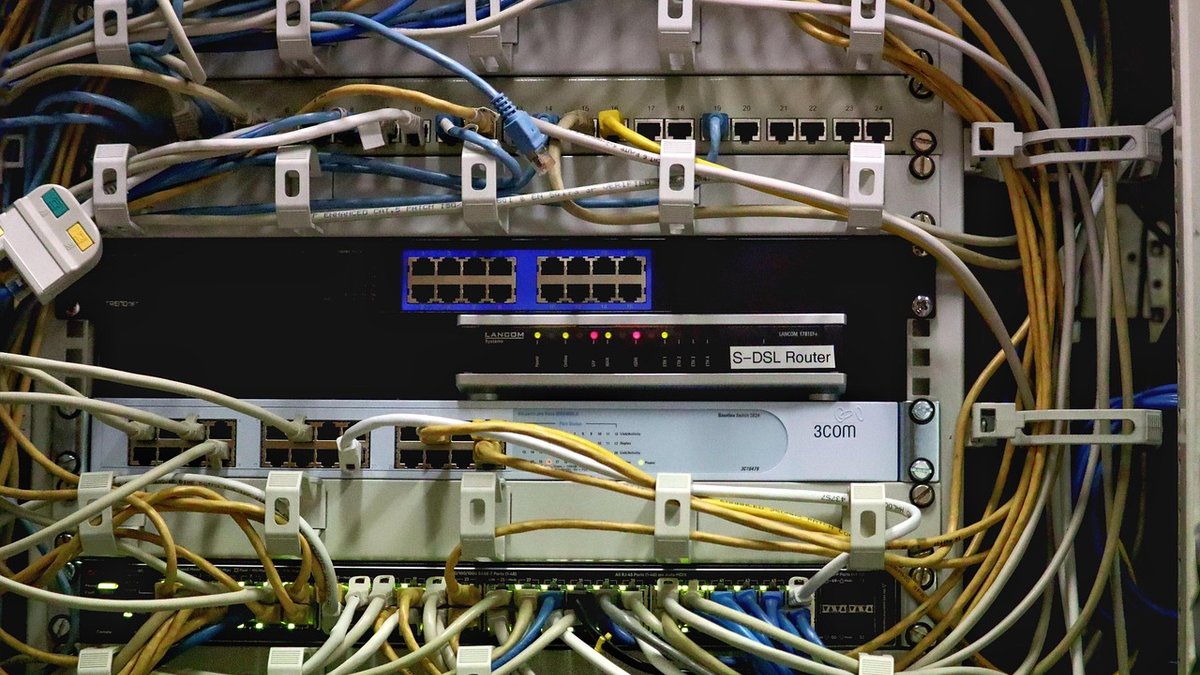
The Texas AI data center boom, once hailed as the fastest-growing market in the U.S., is now under scrutiny as a new political wave threatens to halt its expansion. With Democrats taking control of the state House and the governor’s office, the future of these megawatt‑scale facilities hangs in the balance.
Political Pulse
In the November 2026 elections, Democrat James Talarico unseated Republican Ken Paxton in the U.S. Senate, while Gina Hinojosa defeated incumbent Greg Abbott for governor. Both campaigns made data centers a central issue, and the newly elected officials have signaled a shift toward stricter oversight. Governor‑elect Hinojosa, who once championed tax breaks for data center construction, now pushes for a full moratorium, citing concerns over electricity costs and environmental impact.
Scale of the Buildout
- Stargate Frontier, Shackelford County – 1,820 MW, comparable to SpaceX’s Colossus 2.
- Nexus Hubbard, under construction – 6,400 MW, second‑largest U.S. project after Meta’s Hyperion.
- Meta Hyperion, Louisiana – 7,000 MW, the largest currently underway.
- SpaceX Colossus 2, Tennessee – 1,800 MW, the nation’s largest operational center.
| Project | Megawatt Capacity | Status | Location |
|---|---|---|---|
| Stargate Frontier | 1,820 MW | Operational | Shackelford County, TX |
| Nexus Hubbard | 6,400 MW | Under Construction | Texas (exact county TBD) |
| Meta Hyperion | 7,000 MW | Under Construction | Louisiana |
| SpaceX Colossus 2 | 1,800 MW | Operational | Knox County, TN |
Economic Ripple
The data center surge has been a key driver of Texas’s construction and tech employment, with banks already tightening lending criteria amid political uncertainty. A moratorium could slow job creation, reduce tax revenue, and dampen ancillary industries such as power generation and cooling infrastructure. Moreover, the state’s reputation as a low‑tax, business‑friendly hub could suffer, potentially diverting future AI projects to states with more stable regulatory environments.
County Dynamics
While Dallas County and its neighbors leaned blue in the midterms, the political landscape is more fragmented. Ellis County, a major permitting hub, voted for Abbott and Paxton, whereas Cameron County, a data center hotspot, flipped blue. Mitchell and Scurry Counties, hosting west Texas projects, remained red. This split underscores the complex interplay between local, county, and state authorities in approving or blocking new facilities.
Digging Deeper into the Texas AI Data Center Debate
Why are so many AI data centers being built in Texas?
Texas offers a unique combination of low corporate taxes, abundant land, and a robust electrical grid capable of supporting megawatt‑scale operations. The state’s regulatory environment historically favored rapid permitting, and its proximity to major fiber networks reduces latency for cloud services. Additionally, the presence of large energy producers, such as wind and natural gas, provides a relatively stable power supply, which is critical for the continuous operation of AI training workloads.
Is Elon Musk building a data center in Texas?
While Elon Musk’s SpaceX has constructed the Colossus 2 data center in Tennessee, there is no public evidence that Musk is developing a new facility in Texas. Musk’s focus remains on space launch infrastructure and the expansion of SpaceX’s satellite constellation, though the company’s data center operations are integral to its broader AI and cloud strategy.
Where is the largest AI center going to be built?
Currently, Meta’s Hyperion project in Louisiana is slated to be the largest AI training facility in the United States, with a planned capacity of 7,000 MW. In Texas, the Nexus Hubbard project will soon surpass other state facilities, but it remains second to Hyperion in overall scale. The competition between these projects reflects the broader race among hyperscalers to secure the most favorable regulatory and infrastructural conditions.
What US state has the most data centers?
Texas leads the nation in the number of data centers, hosting over 700 facilities across 252 campuses. This dominance stems from its favorable tax climate, expansive land availability, and a mature electrical infrastructure that can support large, energy‑intensive operations. The state’s rapid growth in this sector has positioned it as the primary hub for AI and cloud computing in the United States.