Warp Sciences, the AI‑driven startup founded by former OpenAI science lead Kevin Weil, has just closed a $215 million Series A that values the company at $865 million. The round, led by Lightspeed and backed by IVP, Mayfield, Lux Capital, Premji Invest and Menlo Ventures, positions Warp Sciences to accelerate drug discovery by automating the most labor‑intensive wet‑lab work.
Key Milestones
- Series A of $215 million secured, $865 million valuation.
- Led by Lightspeed with participation from IVP, Mayfield, Lux Capital, Premji Invest and Menlo Ventures.
- Technology trains robots to synthesize and test thousands of molecular variants.
- Human chemists use camera‑equipped gloves to teach robots, enabling 24/7 operation.
- Strategic goal to reshore synthesis work and reduce geopolitical supply‑chain risk.
Technology Deep Dive
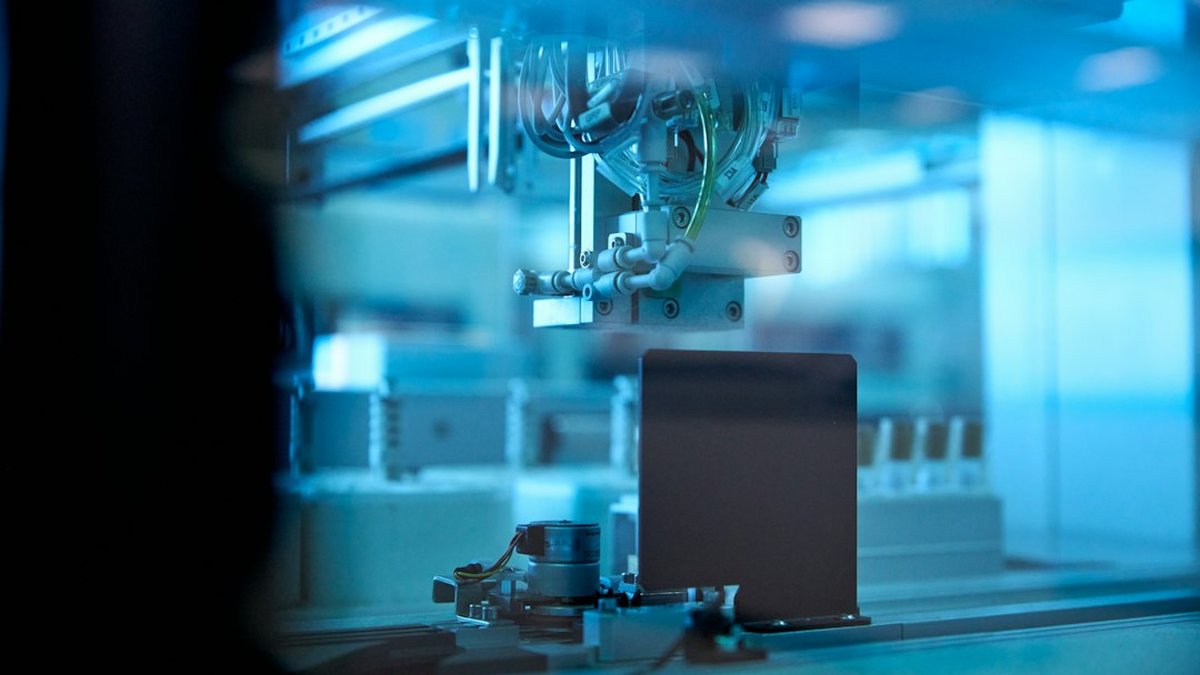
Warp Sciences’ platform blends computer vision, machine learning and robotic manipulation. Chemists don sensor gloves that capture fine motor movements while cameras record the entire workspace. The data feeds an AI model that iteratively refines the robot’s motions, allowing the machines to perform tasks such as pipetting, mixing, and high‑throughput screening with minimal human intervention. The result is a lab that can run continuous cycles, dramatically cutting the time from compound design to biological testing.
Structured Overview
| Aspect | Details |
|---|---|
| Founder | Kevin Weil – former OpenAI science lead |
| Funding Round | Series A – $215 M |
| Valuation | $865 M |
| Lead Investor | Lightspeed |
| Technology | Robot‑guided wet‑lab automation with sensor gloves and cameras |
| Strategic Focus | Reshoring synthesis, mitigating supply‑chain risk, 24/7 lab throughput |
Market Implications
The infusion of capital and the backing of top venture firms signal a growing confidence in AI‑enabled automation for life‑science R&D. By teaching robots to handle the repetitive, hazardous tasks of molecule synthesis, Warp Sciences could dramatically cut cycle times and lower costs for biotech firms that have traditionally outsourced to contract manufacturers in China. The company’s focus on reshoring also taps into a broader industry push to secure critical manufacturing capabilities amid geopolitical tensions. If the platform scales as promised, it may redefine the competitive landscape, forcing incumbents to adopt similar automation or partner with startups like Warp Sciences to stay ahead.